
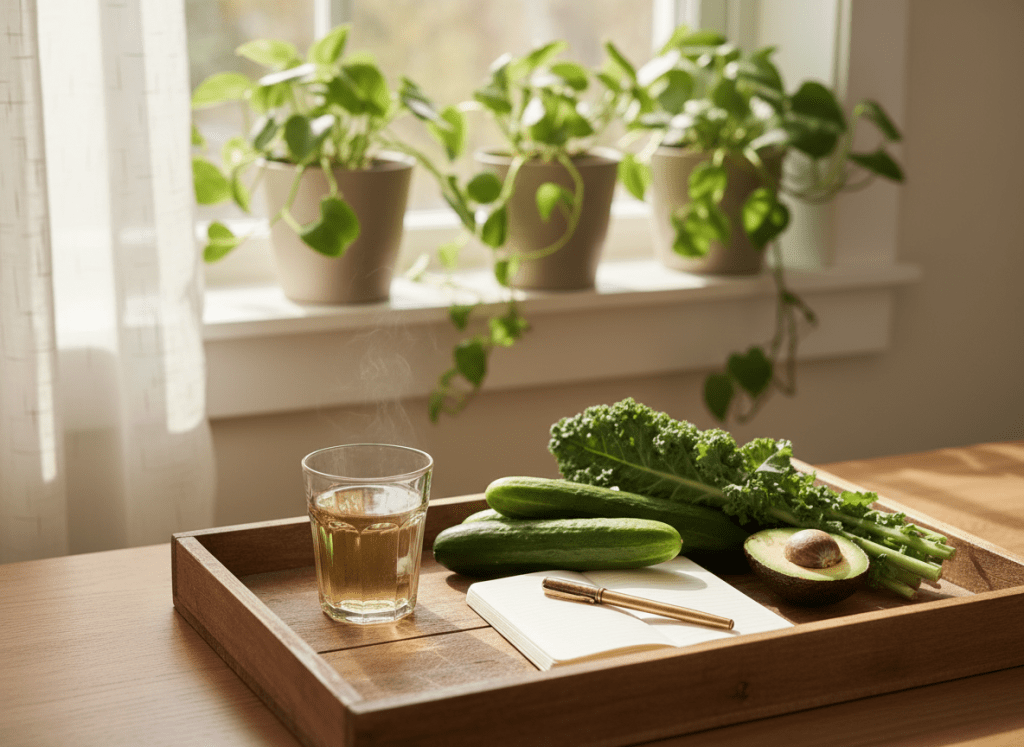
Nourishing My Body: My Diet and Daily Habits for Managing Endometriosis
If you have been following along, you already know that my journey to finding answers took ten long years, and that living with endometriosis is far more invisible than most people realise. After sharing the reality of my daily symptoms, I have received so many questions about how I actually cope. How do I eat? How do I keep moving when I am in pain? How do I stay mentally strong on the hard days?
Today, I want to talk about the lifestyle adjustments that have quietly become my lifeline. These are not miracle cures. They are small, consistent acts of kindness toward my own body, and they have made a real difference in how I feel day to day.
Healing is not just about the medical treatment I receive at the hospital. It is about the daily choices I make to support my body through this challenging and deeply personal journey.
- Nourishing My Body: My Diet and Daily Habits for Managing Endometriosis
1. Eating and Drinking for Comfort: My Dietary Approach 🥗
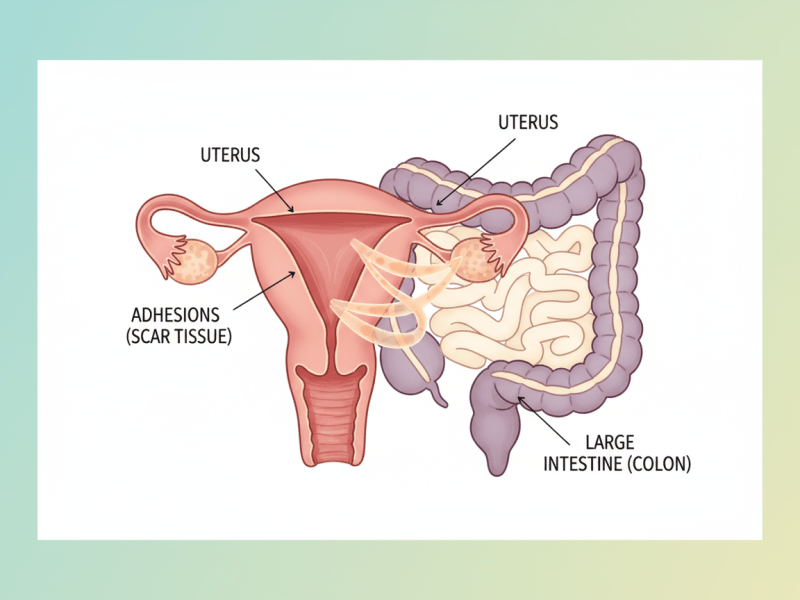
Food and hydration have a powerful impact on how I feel, especially when dealing with chronic bloating and digestive obstruction caused by pelvic adhesions. I used to eat without thinking much about it. Now, I pay close attention to how my body responds to what I put into it.
Here is what has genuinely helped me:
💧 Warm Water is My New Best Friend
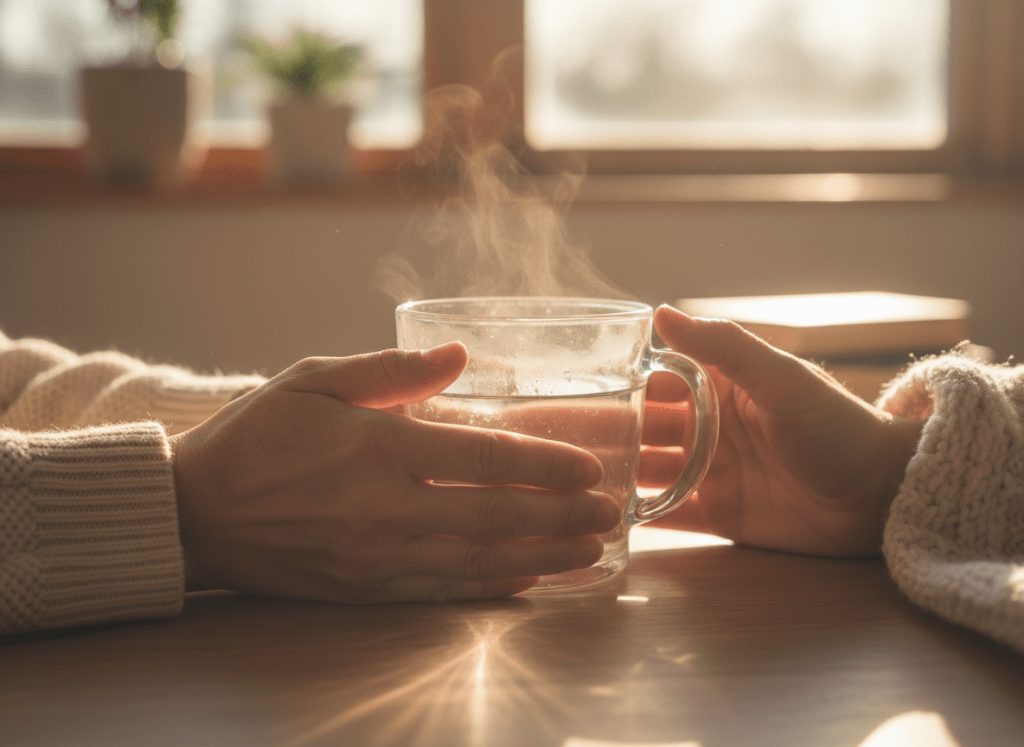
I have made it a daily habit to drink warm water throughout the day, especially first thing in the morning and after meals. I have found that it significantly helps soothe my digestive system and improves blood circulation, which in turn helps reduce the intensity of my pelvic pain. It sounds so simple, but this one habit has made a noticeable difference for me.
☕ Saying Goodbye to Caffeine
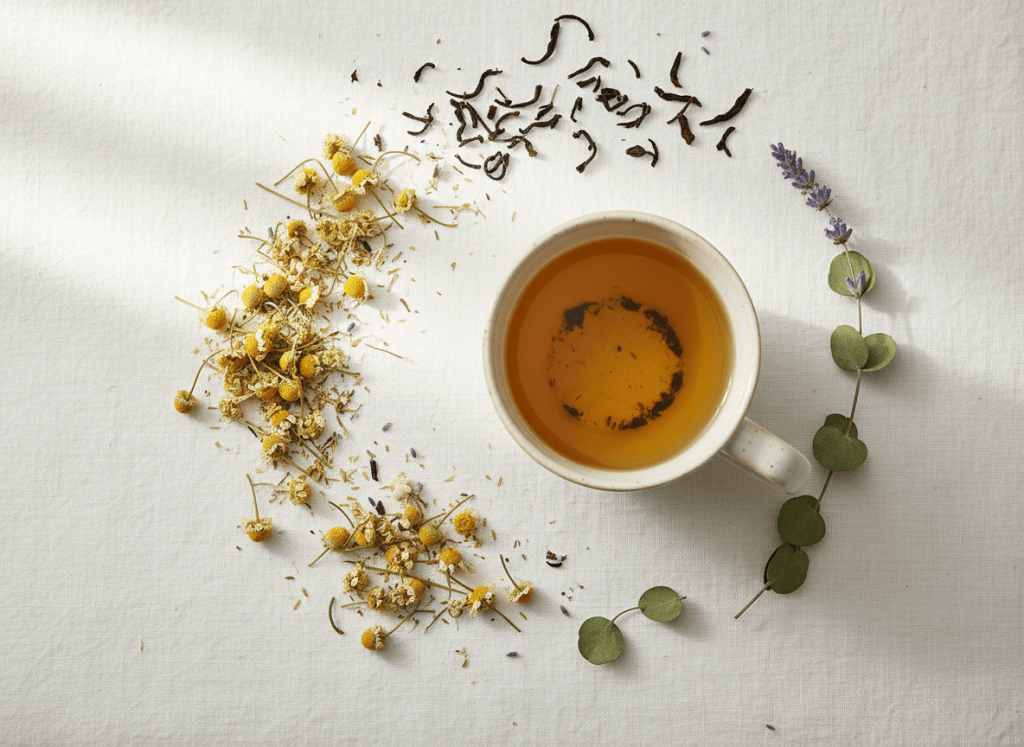
I loved coffee. Truly. But I have learned that it can trigger my digestive distress and worsen my bloating, so I made the decision to replace my morning coffee with warm water or caffeine-free herbal teas. This was not easy at first, but this simple change has made my system feel much calmer and far less irritated. My mornings are actually quieter now, in a good way.
🥦 Focus on Whole, Real Foods
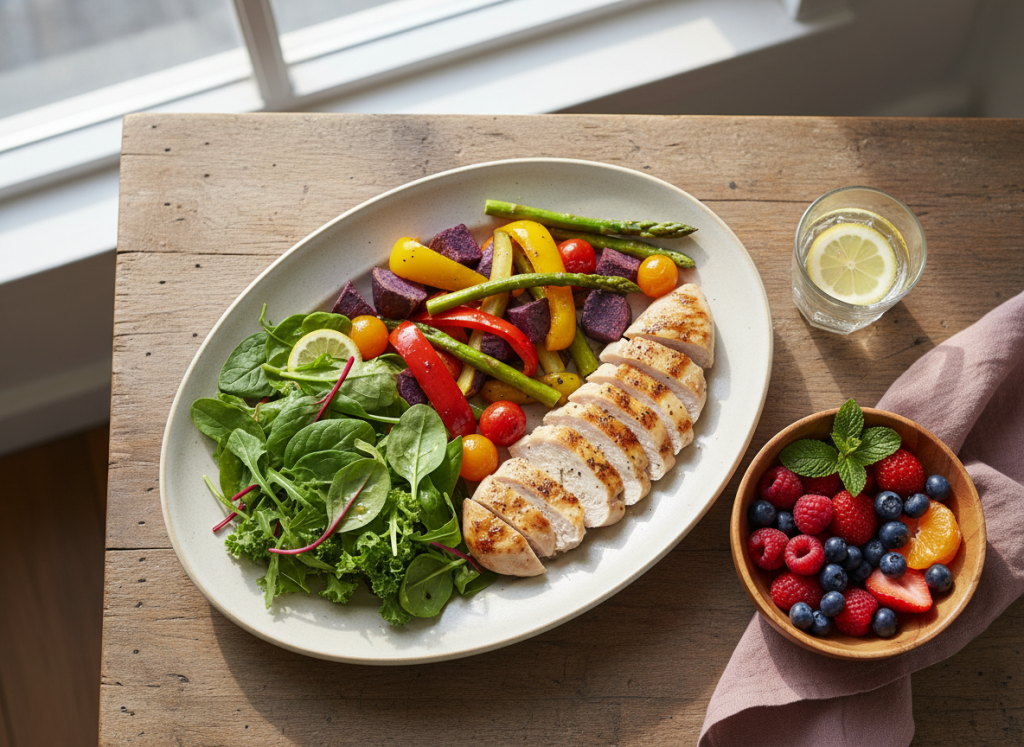
I now prioritise fresh vegetables, fruits, and lean proteins at every meal. I have found that these are much easier for my digestive system to process, and they leave me feeling nourished rather than heavy and uncomfortable. I am not on a strict diet. I just try to choose foods that love my body back.
📓 Identifying My Trigger Foods
I keep a simple food log, nothing fancy, just a note on my phone of what I ate and how I felt afterward. Over time, I have noticed that highly processed foods and meals with excessive fats often trigger more bloating and discomfort. So I try to limit them as much as possible, not because someone told me to, but because my body has made it very clear how it feels when I do.
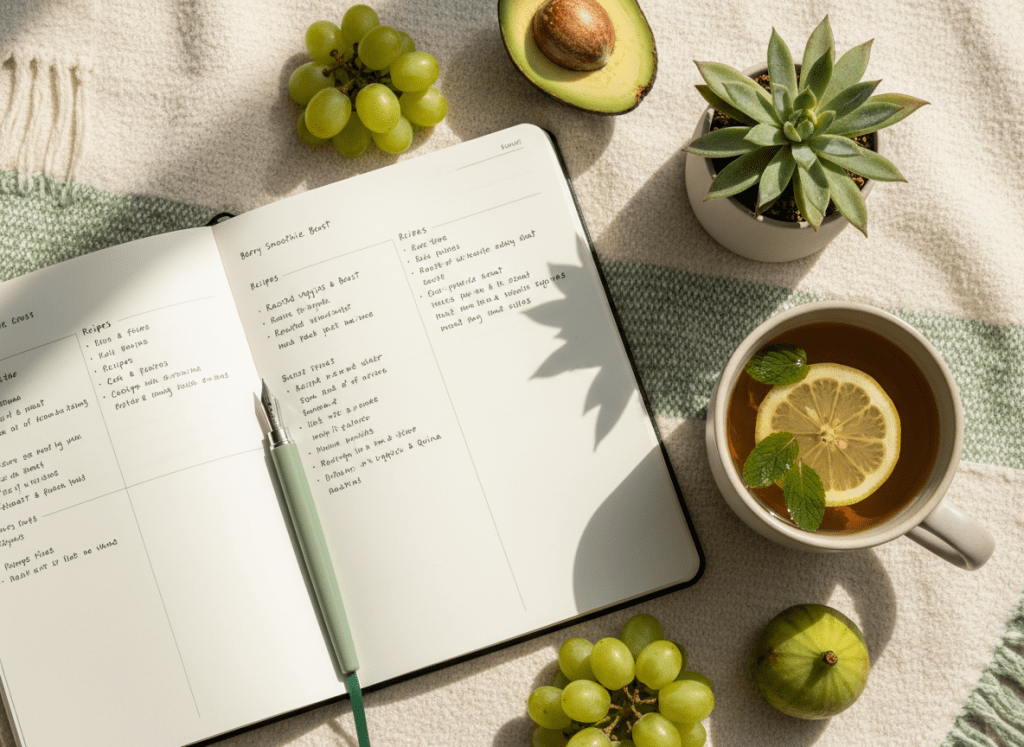
“I do not follow a perfect diet. I follow a kind diet, one that is honest about what my body needs right now.”
2. Gentle Movement: Staying Active Without Strain 🧘
I used to think that exercise meant pushing hard, sweating it out, and feeling the burn. Endometriosis has completely changed my relationship with movement. And honestly, that change has been one of the most valuable lessons of this whole journey.
🚶 Mindful Walking
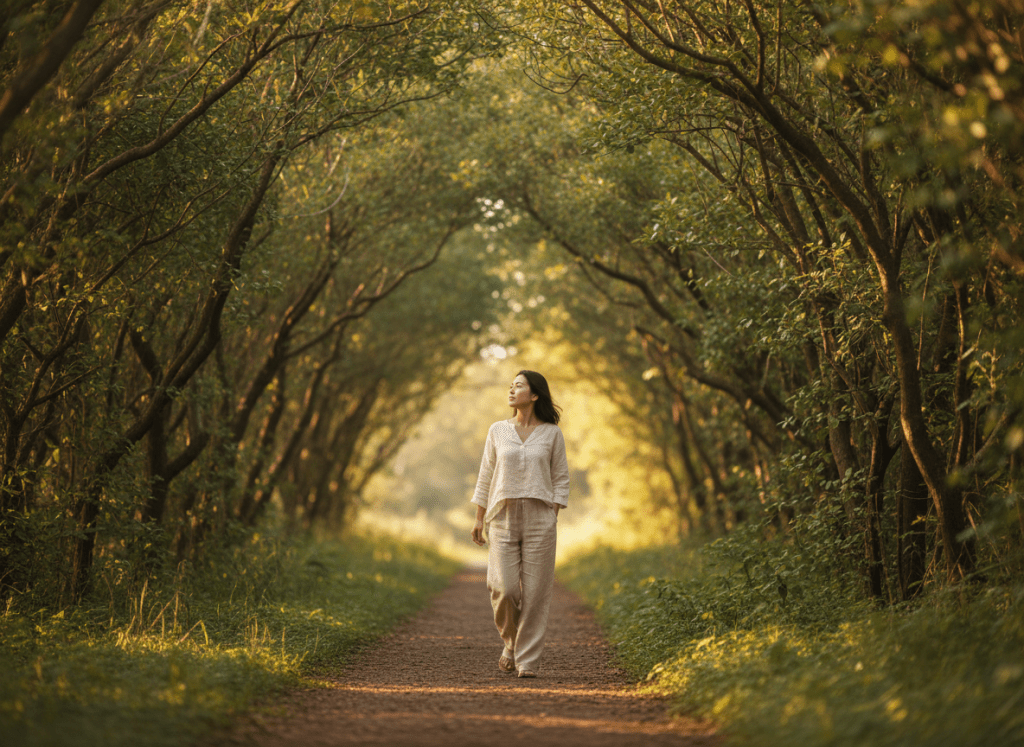
On days when I feel up to it, a slow and gentle walk works wonders. Even just 15 to 20 minutes outside, moving at my own pace, helps shift my mood and gently get things moving in my digestive system. It helps me feel like my body is still capable and strong, even when it is hurting.
🌿 Stretching and Restorative Yoga
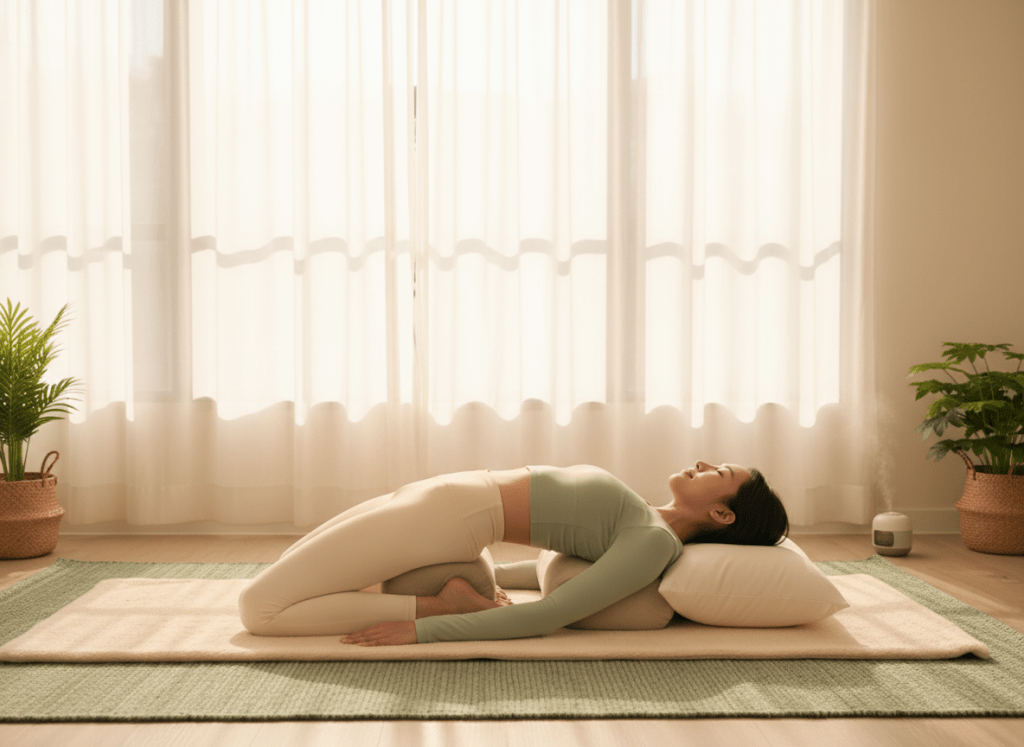
I practice light stretching or restorative yoga poses at home, usually in the morning or before bed. These gentle movements help release the tension that builds up in my back and waist due to my condition. I do not follow a strict routine. I just move in the ways that feel good and stop when something does not.
💛 Listening to My Body Above Everything Else
This is the most important lesson I have learned. If my body tells me it needs to rest, I do not push it. I used to feel guilty about that. Now I understand that rest is not laziness. Rest is a vital and non-negotiable part of my treatment plan. My body is working incredibly hard every single day just to function, and it deserves that respect.
3. Managing Stress and Protecting My Mental Well being 🧠
Chronic pain is emotionally exhausting in ways that are hard to explain unless you have lived it. The physical pain is one thing. But the mental weight of never knowing how you will feel tomorrow, of cancelling plans, of explaining yourself over and over, is something else entirely. Protecting my mental health has become just as important as managing my physical symptoms.
🐢 The “Slow Down” Rule
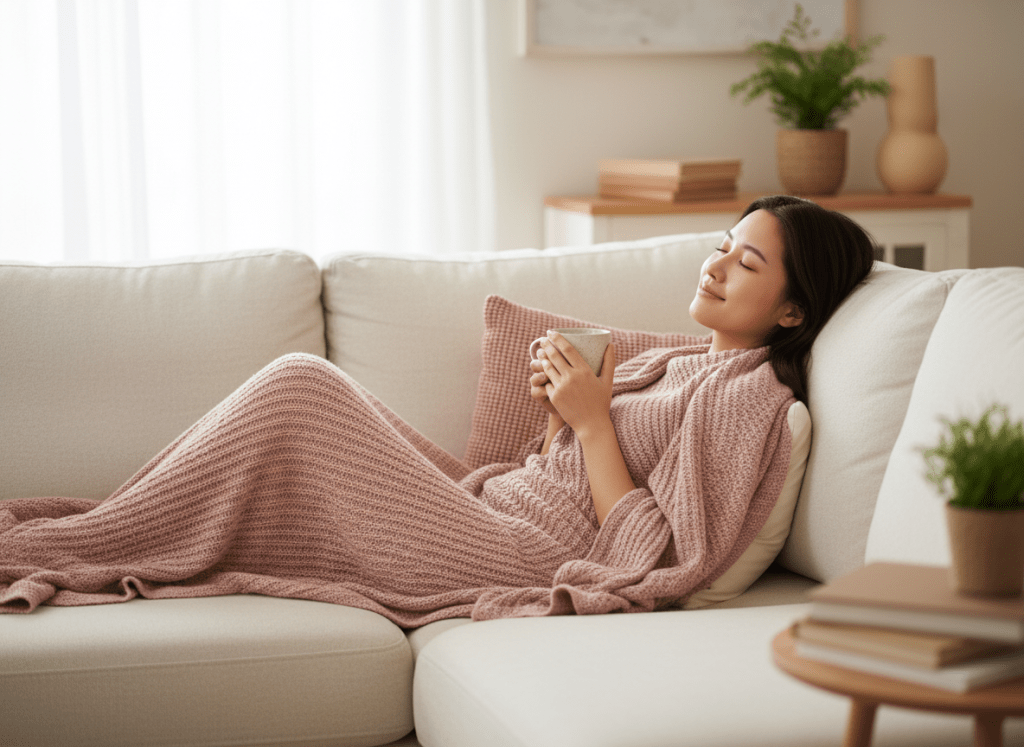
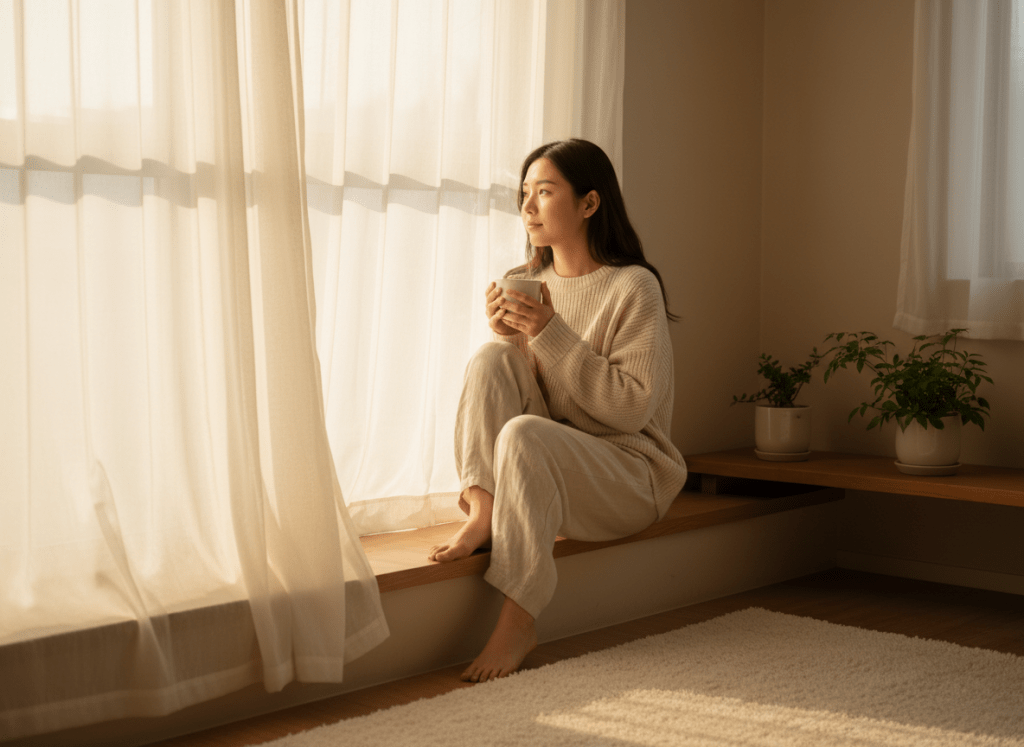
When my pain levels are high, I simplify my day. I focus only on what is truly essential and give myself full permission to do nothing but rest. I used to resist this. I would try to push through and then feel even worse by the end of the day. Now I know that slowing down when I need to is one of the smartest things I can do for my recovery.
🤝 Staying Connected
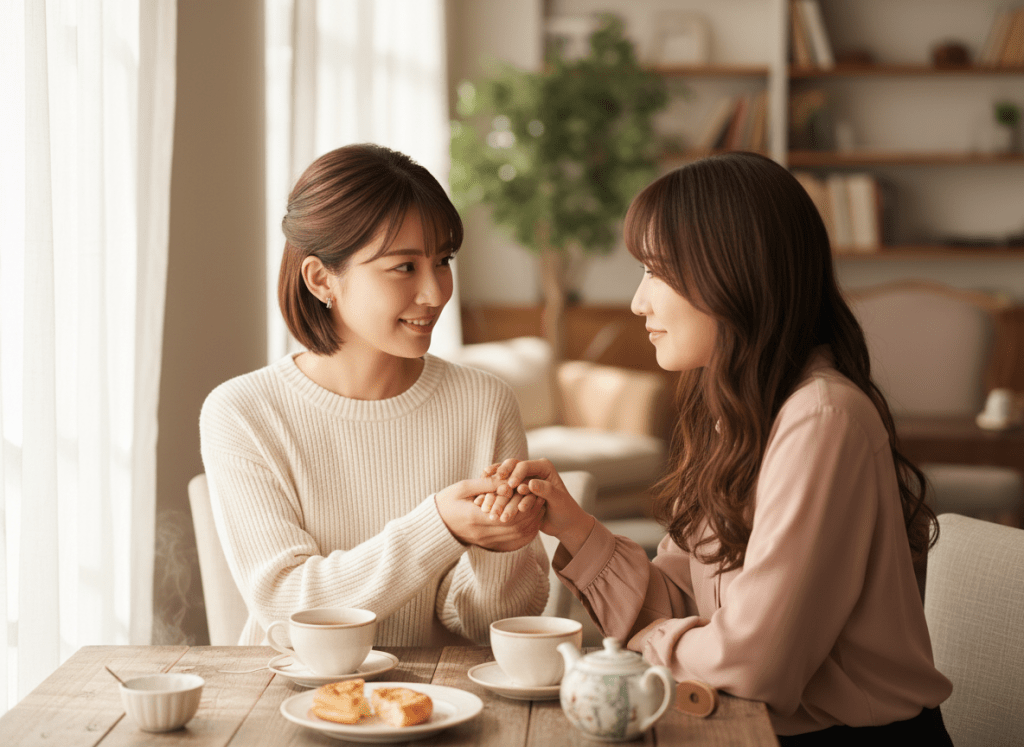
I do not isolate myself. Sharing my journey here on this blog, and talking to people I love and trust, genuinely helps lift the emotional weight off my shoulders. Even on the hardest days, feeling seen and less alone makes a real difference. If you are reading this and going through something similar, please know that you do not have to carry it alone either.
✍️ Journaling My Thoughts and Progress
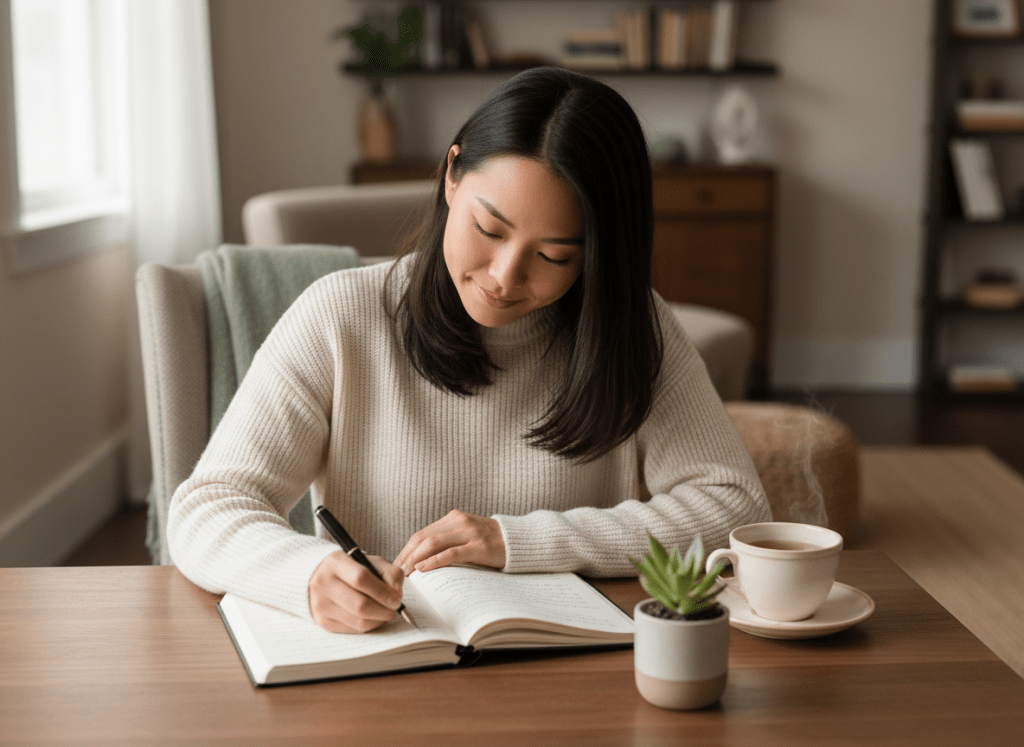
Writing has always been healing for me. I keep a simple journal where I write down how I am feeling, what I ate, how my pain was, and any small wins from the day. It helps me process my emotions, track patterns, and most importantly, remind myself of how far I have actually come. Progress with a chronic illness is rarely dramatic. It is quiet and gradual, and journaling helps me see it.
A Small but Important Reminder 💛
Managing endometriosis is a marathon, not a sprint. There will be good days and deeply challenging ones. There will be days when all the warm water and yoga in the world cannot touch the pain, and that is okay too. These habits are not about being perfect. They are about showing up for yourself in small, sustainable ways, every single day.
If you are on this journey, I want to encourage you to be gentle with yourself. You are doing the best you can with what you have, and that is more than enough. Your body is not failing you. It is fighting for you, and so are you.
If you are just joining this series, you can read Part 1: 10 Years of Unexplained Pain: My Journey to Finding Answers and Part 2: Beyond the Diagnosis: The Invisible Reality of Living with Endometriosis to follow my story from the beginning.
Thank you so much for reading along with me. What are some of the ways you take care of yourself during difficult times? I would love to hear from you in the comments below. We can learn so much from each other. 💛



 Anna KH
Leave a comment